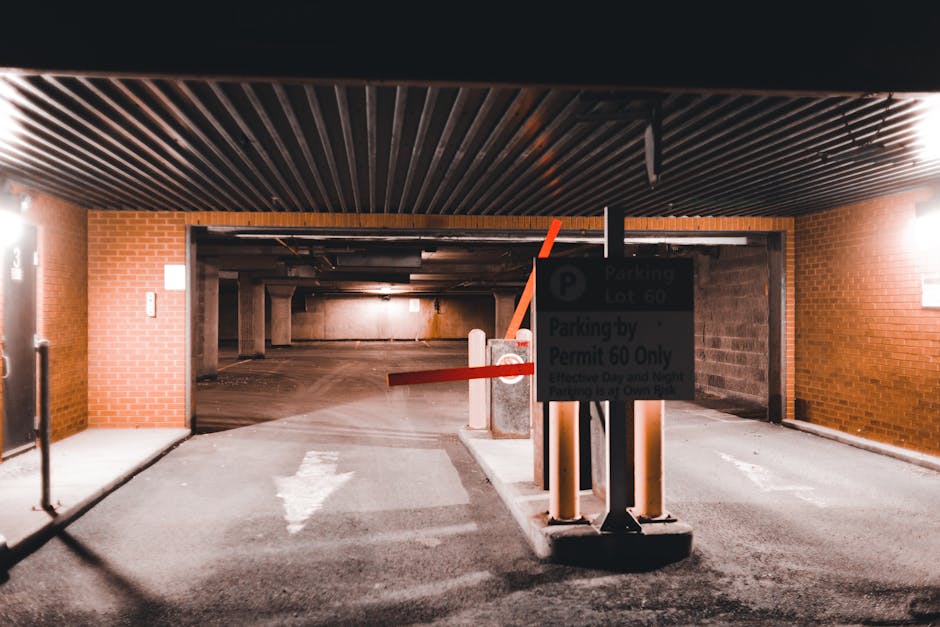
Tower Hamlets Council Parking Permits for Ratcliff Moves
Posted on 26/06/2026
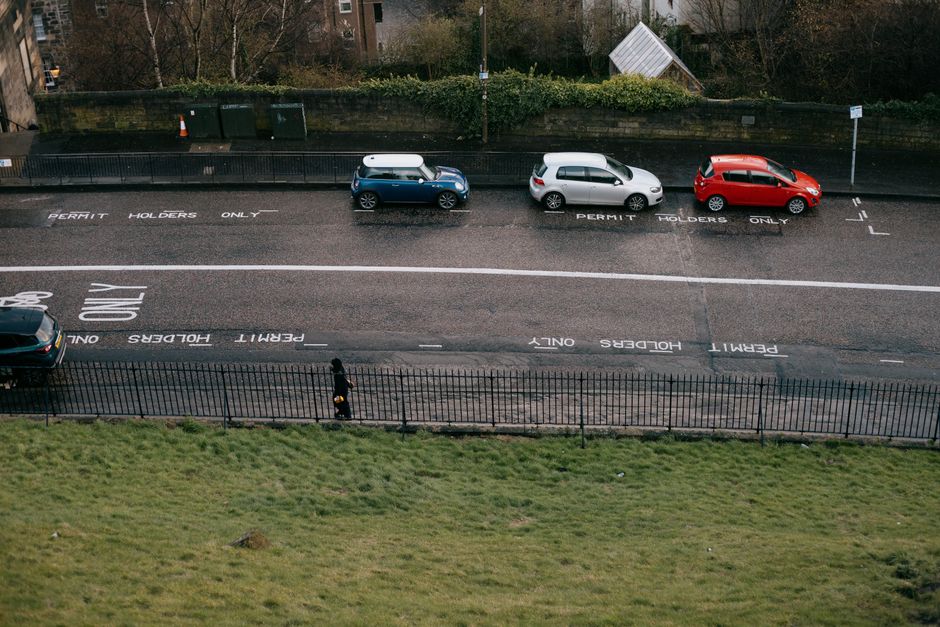
Moving in Ratcliff sounds straightforward until the van pulls up and you realise the street is tighter than expected, the pavement is busy, and parking is already spoken for. That is exactly where Tower Hamlets Council parking permits for Ratcliff moves become useful. If you are planning a flat move, a house move, or even a quick same-day load-in, the right parking arrangement can save time, stress, and a fair bit of shouting across the road. It also helps avoid awkward delays on moving day, which nobody needs at 8:15 in the morning with boxes everywhere.
This guide explains what the permit process means in practical terms, why it matters in Ratcliff, how to prepare properly, and how to reduce the risk of fines or last-minute disruption. If you are trying to keep the move smooth, this is one of those small admin jobs that makes a surprisingly big difference.
Why Tower Hamlets Council Parking Permits for Ratcliff Moves Matters
Ratcliff sits in a part of East London where access can be awkward even on a quiet day. Narrow roads, controlled bays, permit zones, loading restrictions, and unpredictable traffic all play a part. For a moving van, that can mean circling the block, unloading from too far away, or rushing the job because the driver needs to keep the vehicle moving.
Parking is not just a convenience issue. It affects the whole moving rhythm. If the van is too far from the entrance, every box, mattress, and wardrobe leg takes longer to move. That extra distance adds fatigue, slows the crew down, and can increase the chance of knocks, scuffs, or dropped items. A permit arrangement gives the move a proper working base.
It also matters because local enforcement can be strict. Let's face it, nobody wants a move remembered for a penalty notice stuck to the windscreen. Even where short stops are tolerated in theory, the reality can be much less forgiving if the vehicle is in the wrong place, at the wrong time, or simply too large for the bay.
If your move is already complicated, say you are leaving a top-floor flat with awkward stairs or shifting a heavy sofa, parking should not be another battle. A little planning here makes the rest of the day far easier. If you are still at the early planning stage, the moving preparation guide is a good place to get organised before anything else starts moving.
How Tower Hamlets Council Parking Permits for Ratcliff Moves Works
In plain English, a moving-day parking permit or temporary parking arrangement is there to help your removal vehicle stop legally and as close as possible to your property. The exact route, permit type, and lead time can vary depending on the street, the bay type, the time of day, and whether the van needs to stay for unloading or loading only.
For Ratcliff moves, the practical workflow usually looks like this: check the location, confirm what parking space is available near the property, look at any time restrictions, and then arrange the permit or permission needed for the move. If a building has its own rules, those may sit alongside the council requirements. In some cases, the building or landlord will want notice as well, especially if you are moving into a managed block.
It is worth checking the details early because a "near enough" assumption can become a real problem on the day. The van may be larger than expected, the nearest bay may be suspended, or the available space may be too short for the vehicle. A two-minute walk is fine for groceries; it is less fine when you are carrying a washing machine.
Good moving teams treat parking as part of the job plan, not an afterthought. That is especially true for man and van Ratcliff jobs, where speed, access, and loading efficiency all depend on the van being placed sensibly. If you are moving a larger household, the same applies even more strongly for house removals in Ratcliff.
Key Benefits and Practical Advantages
The main benefit is obvious: better access. But there are a few less obvious advantages too.
- Less carrying distance: Shorter walks between the property and the van mean less physical strain and faster loading.
- Lower risk of delays: The crew can work continuously instead of losing time searching for a legal stop.
- Reduced damage risk: Fewer trips across the pavement mean fewer chances to bump furniture or scrape door frames.
- Better timing control: If you are working to lift-out or handover deadlines, parking certainty helps a lot.
- Cleaner logistics for neighbours: A planned stop is usually less disruptive than an improvised double-parked scramble.
There is also a mental benefit. Once parking is sorted, the move starts to feel manageable. Boxes are still boxes, of course, but the day becomes a sequence of tasks instead of a slow-motion panic. That matters more than people expect.
If your move involves bulky furniture, mattress handling, or a sofa that needs careful manoeuvring, parking and access become even more important. A smart loading position pairs well with specialist support like furniture removals Ratcliff, especially when the route from the front door to the van is short and direct. For awkward items, a little planning saves a lot of heavy breathing.
Who This Is For and When It Makes Sense
Not every move needs the same level of parking planning, but in Ratcliff, most local moves benefit from it. The need becomes stronger if any of the following apply:
- you live on a busy residential street with controlled parking;
- your removal vehicle is medium or large sized;
- you are moving during weekday peak hours;
- you have bulky or fragile items;
- you are in a flat, upper-floor property, or a building with limited frontage;
- your move involves a short turnaround or same-day schedule.
Students moving in or out of shared accommodation often underestimate parking. So do people moving from compact flats with only a tiny loading space out front. If that sounds familiar, you are not alone. It is one of those things people only think about after they have carried the first box halfway down the street. Bit late then.
For student relocations, it can be especially helpful to organise the load-in or load-out around the parking plan rather than the other way around. A local service such as student removals Ratcliff often works best when the vehicle can be positioned quickly and legally, because student moves usually have tight time windows and not much spare patience.
Parking arrangements are also sensible when you are using a same-day team or fitting a move around work and childcare. In those cases, a last-minute parking scramble is the kind of hassle that can unravel the whole schedule.
Step-by-Step Guidance
Here is a practical way to approach the parking side of a Ratcliff move without making it more complicated than it needs to be.
- Confirm the moving date and time. Write it down properly, including the arrival window for the van. A vague "morning" is not enough.
- Check the exact street and frontage. Look at where a van could stop without blocking a junction, crossing a dropped kerb, or sitting in a restricted area.
- Identify the vehicle size. A smaller van may fit differently from a larger removal van. What looks workable for one vehicle may fail for another.
- Review local restrictions. Look for permit bays, loading only signs, time limits, suspension notices, and resident-only areas.
- Allow for building rules. If you live in a managed block, check whether the concierge, landlord, or management company needs notice.
- Plan the loading route. Think about lifts, stairs, front doors, turnings, and the shortest safe path to the van.
- Build in buffer time. Even a well-planned move can hit traffic, roadworks, or a neighbour's delivery truck.
- Keep documents and contact details handy. If the driver needs to coordinate with you, do not make them hunt through texts while standing in the rain.
If you want the rest of the move to feel less frantic, pair this with a proper moving checklist. A step-by-step approach like the one in the stress-free house move guide can make the administrative side much easier to handle.
One small but helpful habit: take a quick photo of the street where the van is due to stop. It sounds basic, but when you are checking access later, that one image can help you remember where the best drop-off point was. Simple, but useful.
Expert Tips for Better Results
Here is where a bit of local experience pays off. The permit itself is only half the story. The way you use it matters too.
Book the parking plan before you finalise the van size. People often do this the other way around. Then the van turns up and the space is tight. That can turn a tidy move into a miserable one.
Think about loading sequence. If the van is parked far from the door, load the heaviest and most awkward items first so you are not carrying them after your legs are already tired. For example, sofas, wardrobes, and bed frames should not be left until everyone is knackered.
Avoid assuming free kerb space will stay free. In Ratcliff, a bay that looks open at 7:30 can be taken by 8:00. Deliveries happen. People leave early. Streets fill up quickly.
Match the parking setup to the move type. A flat move may only need a short stop and quick unloading, while office relocations or bigger household jobs need a more stable arrangement. That is one reason office removals Ratcliff usually benefit from careful scheduling and access planning.
Keep the route clear inside the property. A perfect parking setup won't help much if the hallway is cluttered with shoes, plant pots, and that one box you forgot to label. Slightly embarrassing, but very common.
For bigger homes, start by decluttering before you book the move. It cuts the number of trips, reduces van time, and can even make a tighter parking slot workable. If that sounds like your situation, the advice in strategic decluttering tips for a seamless move is worth a look.
Common Mistakes to Avoid
Most parking headaches are predictable. That is the annoying part. The good news is they are also avoidable.
- Leaving parking until the day before. By then, the best option may already be gone.
- Guessing the vehicle dimensions. A wrong assumption can lead to a bay that is too short or too cramped.
- Forgetting about time restrictions. Some spaces are not usable for as long as people think.
- Ignoring other road users. Blocking access points or junctions can create complaints quickly.
- Not checking building rules. Some blocks need notice for moving vehicles, lifts, or loading bay use.
- Failing to plan around weather. Rain can slow loading, and in London it often arrives just when you have open boxes sitting around.
There is also a subtler mistake: relying on parking to fix a badly timed move. If the van arrival, keys handover, and packing schedule do not fit together, a permit will not save the day on its own. It helps, certainly. But it is not magic.
For moves involving heavy or awkward items, poor parking planning can also increase the temptation to rush lifts and carries. That is where injuries and damage tend to happen. If you want a more practical reminder of why technique matters, the piece on heavy lifting on your own is useful, and so is kinetic lifting methods for safer body mechanics.
Tools, Resources and Recommendations
You do not need a toolbox full of specialist software to manage this well. In practice, a simple moving folder or notes app is enough. What matters is consistency.
- Measured room list: note down the size and awkwardness of each major item.
- Street access notes: record bay types, loading windows, entry points, and any road pinch points.
- Inventory by priority: mark what must go first and what can wait until later.
- Building access details: keep codes, concierge names, lift instructions, and key collection times together.
- Packaging supplies: the right boxes, tape, blankets, and labels make parking less stressful because the van can be loaded faster.
It also helps to use local moving support that understands Ratcliff's street pattern and access issues. You do not need a dramatic grand plan, just reliable preparation and a team that can work around the area's quirks. If you are comparing support levels, services overview can help you see how different moving jobs fit together. For a more complete service package, removal services Ratcliff is often the most useful starting point.
And yes, good packing matters more than people think. A move that is well packed can be loaded and unloaded far more efficiently, which makes any parking arrangement work harder for you. That is especially true if fragile or oddly shaped items are involved.
Law, Compliance, Standards, or Best Practice
Parking rules are one of those areas where it is best not to "wing it". Council restrictions, road signs, resident bays, and site rules all exist for a reason, and a moving van is not exempt just because it is only there for an hour or two.
The safest approach is to treat the parking arrangement as a compliance task as well as a logistics task. That means checking the relevant street restrictions, understanding the difference between loading access and general parking, and making sure the vehicle does not create danger for pedestrians, cyclists, or other drivers.
Best practice also includes keeping the move as tidy and controlled as possible. If the vehicle is left running where it should not be, if boxes spill into the path, or if the crew blocks access unnecessarily, that can create complaints and real nuisance for neighbours. In busy London neighbourhoods, people notice. Quickly.
For companies and households alike, it is wise to follow a simple standard: only stop where the vehicle is legally and safely allowed to stop, keep the loading window realistic, and leave the area cleaner and clearer than you found it. That is not just courteous; it also reduces the chance of disputes on move day.
Safety matters too. If you want reassurance around handling, vehicle movement, and load management, the health and safety policy and insurance and safety information are worth reading before any bigger move. Good practice is not fancy. It is mostly careful, boring, and very effective.
Options, Methods, or Comparison Table
There is more than one way to handle moving-day parking in Ratcliff. The right option depends on the street, the vehicle, and how much time you have.
| Approach | Best For | Strengths | Limitations |
|---|---|---|---|
| Short-stay legal kerb space | Smaller moves or quick load-ins | Simple, fast, often convenient | Can disappear quickly; may not suit larger vans |
| Planned permit or reserved arrangement | Flat moves and household removals | More reliable access and less stress | Needs more preparation and timing discipline |
| Off-peak scheduling | Moves with flexible timing | Easier parking, lighter traffic | Not always possible around work, keys, or building access |
| Multi-stop or split-load planning | Large or complex moves | Reduces congestion and can ease access problems | Takes more coordination and time |
For many Ratcliff moves, the second option is the most practical. It is not glamorous, but it is usually the most dependable. And dependable is what you want when a sofa is halfway through a doorway and everyone has gone quiet.
Case Study or Real-World Example
Picture a typical Ratcliff flat move on a weekday morning. The tenant has a top-floor apartment, two beds, a dining table, several boxes, and a fairly awkward hallway. The van is not huge, but it is still large enough to need a sensible stopping point. Without a parking plan, the driver spends time circling while the move team waits by the doorway with boxes in hand. The schedule slips, the lift gets held up, and by mid-morning everyone is already annoyed.
Now picture the same move with parking planned in advance. The van arrives at the agreed time, stops close enough for a short loading route, and the heaviest items are loaded first. There is less carrying, less waiting, and far less chance of someone scuffing a wall on a rushed turn. The whole move still takes effort - moving is moving - but it feels controlled instead of chaotic.
That difference is why people who do this regularly tend to treat parking as a priority, not a side note. In our experience, it is often the hidden detail that separates a manageable move from a frustrating one. Small detail. Big impact.
If the example sounds familiar because your move is happening in a tight window, the advice in need an emergency van in Ratcliff sameday move checklist may help you organise the day more calmly. For narrow streets and awkward access, Ratcliff narrow street removals best van routes for E1 moves is also a sensible read.
Practical Checklist
Use this as a simple final check before moving day. Nothing fancy, just the basics done properly.
- Confirm the moving date and arrival window.
- Identify the exact street and possible van stopping point.
- Check bay restrictions, loading rules, and time limits.
- Confirm whether the building has its own access rules.
- Match the parking plan to the vehicle size.
- Tell the removal team about any narrow turns, stairs, or entry issues.
- Prepare keys, codes, and contact numbers in one place.
- Keep hallways and entrances clear for loading.
- Label fragile and heavy items clearly.
- Build in a buffer for traffic, delays, or rain.
- Have a backup plan in case the nearest bay is unavailable.
A few minutes of checking can save an hour of improvising. And on moving day, that hour really matters.
Get a free quote today and see how much you can save.
Conclusion
Tower Hamlets Council parking permits for Ratcliff moves are not just a bit of admin. They are part of what makes a local move run properly. In an area with tight roads, limited stopping space, and busy traffic, the ability to park legally and close to the property can make the difference between a calm, efficient move and a stressed, slow one.
The main thing is to plan early, think practically, and keep the parking decision tied to the rest of the move. Once access is sorted, everything else gets easier: loading, carrying, timing, and even the mood in the room. Funny how that works.
If you prepare well, keep the route clear, and treat parking as a key part of the move rather than a last-minute detail, you will be in a much better position on the day. That steady, organised approach is usually what people remember most, even if the boxes are a mess for a while.
And honestly, that calm start is worth a lot.