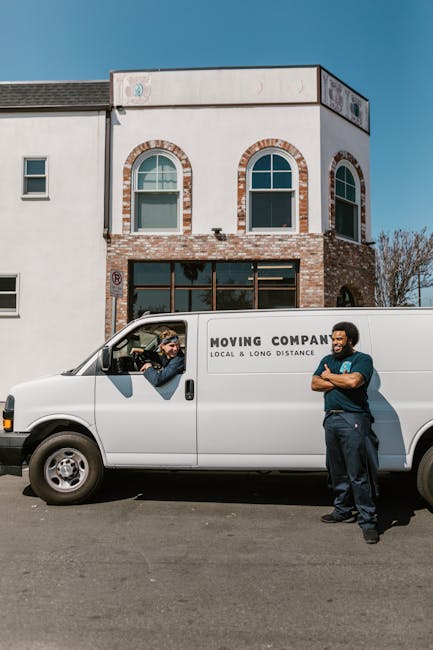
Ratcliff Office Relocation Quotes: Compare Van Sizes & Prices
If you are planning an office move in Ratcliff, the first thing that usually gets messy is not the packing tape. It is the quote. One company says a small van is enough, another recommends a Luton, and suddenly you are comparing prices, loading space, crew size, and timing all at once. Ratcliff Office Relocation Quotes: Compare Van Sizes & Prices is really about making that decision with confidence, before the move day noise starts.
This guide breaks the process down in plain English. You will see how van sizes affect cost, what a proper office relocation quote should include, and how to avoid paying for capacity you do not need. We will also cover practical planning tips, common mistakes, and a realistic way to judge whether you need a van, a moving truck, or a fuller office removals service. To be fair, that decision can save a surprising amount of hassle.
Contents
- Why Ratcliff Office Relocation Quotes: Compare Van Sizes & Prices Matters
- How Ratcliff Office Relocation Quotes: Compare Van Sizes & Prices Works
- Key Benefits and Practical Advantages
- Who This Is For and When It Makes Sense
- Step-by-Step Guidance
- Expert Tips for Better Results
- Common Mistakes to Avoid
- Tools, Resources and Recommendations
- Law, Compliance, Standards, or Best Practice
- Options, Methods, or Comparison Table
- Case Study or Real-World Example
- Practical Checklist
- Conclusion
- Frequently Asked Questions
Why Ratcliff Office Relocation Quotes: Compare Van Sizes & Prices Matters
An office move is not just about moving desks. It is about protecting business continuity, keeping staff calm, and avoiding the all-too-common "we thought it would fit" moment. The size of the van affects almost everything: the number of trips, the time on site, labour requirements, parking pressure, and the final cost. If you compare office relocation quotes without checking van size, you are comparing numbers without the context that makes them meaningful.
In a place like Ratcliff, where access can be tight and streets can get busy quickly, the wrong vehicle choice can cause delays that ripple through the whole day. A too-small van means extra runs. A too-large van may mean you pay for space you never used. Neither is ideal. The sweet spot is choosing a vehicle that matches the actual volume, access conditions, and move schedule.
There is another reason this matters: office moves often involve mixed loads. You might have laptops, swivel chairs, filing cabinets, boxed archives, screen mounts, kitchen stock, and a few awkwardly shaped bits that do not stack neatly. So the real question is not "how many items do we have?" It is "how do those items load into the vehicle, safely and efficiently?" That is the part many quick quotes gloss over.
Expert summary: the best quote is not always the cheapest quote. It is the quote that matches vehicle size, labour, access, and timing with as little waste and risk as possible.
How Ratcliff Office Relocation Quotes: Compare Van Sizes & Prices Works
Most office relocation quotes are built from a few core variables. Once you understand them, the numbers stop feeling mysterious.
- Inventory or volume estimate - The mover estimates how much needs to be moved, often in cubic feet or by room/desk count.
- Vehicle selection - A smaller van suits light loads and short hops; a larger removal van or truck suits bulkier relocations.
- Labour requirement - One driver may be enough for a compact move, but larger jobs often need two or more people.
- Access and loading time - Stairs, lifts, long carries, parking distance, and building access can add time.
- Distance and route complexity - Local office moves are typically simpler than moves spread across multiple sites or outside the area.
- Additional services - Packing, dismantling, reassembly, and unpacking can all appear as separate line items.
When comparing van sizes, think in practical terms. A small van might suit a tiny office, one or two workstations, or a light document transfer. A medium van can cover a small team with chairs, monitors, boxes, and a few pieces of office furniture. A larger removal van or moving truck usually fits more substantial office relocations, especially when there is boardroom furniture or stock to move.
Quote comparisons should also reflect how the team loads the vehicle. Efficient loading is a skill. You can have two vans of the same size, and one will still be more expensive if the move requires awkward stacking, extra protection, or more time on the pavement while everyone waits for the lift. Not glamorous, but it matters.
If you are looking at broader business relocation support, it can help to review the dedicated office relocation services page alongside pricing and quotes so you know what is included before you decide.
Key Benefits and Practical Advantages
Comparing Ratcliff office relocation quotes by van size and price gives you a clearer picture than simply chasing the lowest headline number. That sounds obvious, but in practice people skip it all the time.
- Better cost control - You avoid paying for unnecessary capacity or multiple unplanned trips.
- Less downtime - The right vehicle helps complete the move within your planned window.
- Fewer handling risks - Properly sized transport reduces the chance of rushed stacking and damage.
- More accurate planning - You can coordinate IT, keys, staff access, and building handover with more certainty.
- Improved vendor comparison - You can compare like with like instead of comparing vague "move from A to B" estimates.
- Lower stress on move day - And yes, that counts. A calmer team is a more efficient team.
There is also a subtle but important benefit: a good quote helps you see where the value actually is. Sometimes a slightly higher price includes enough labour to finish in one go. That can be cheaper overall than a bargain rate that turns into two trips and a late afternoon scramble. Let's face it, the cheap option is not always the cheap option.
Who This Is For and When It Makes Sense
This kind of quote comparison is useful for a wide range of businesses. Small offices, start-ups, professional services firms, local branches, co-working teams, and even retail back offices can all benefit from structured van-size comparison.
It makes especially good sense if you are:
- moving 1-10 desks and want a realistic estimate
- relocating between floors or nearby buildings in Ratcliff
- combining archive boxes, IT kit, and furniture in one move
- trying to minimise disruption during trading hours
- choosing between a man-and-van style service and a larger removal vehicle
- unsure whether you need extra help with packing or dismantling
If your office move is modest, a flexible service like man and van may be enough. If the move is larger or more structured, look at commercial moves and compare that with a more comprehensive removal services approach.
There is no single right answer. A two-person team with a medium van could be perfect for one business and far too small for another. The real trick is matching the vehicle and crew to the actual job, not the job you wish you had.
Step-by-Step Guidance
If you want quotes you can genuinely compare, work through the process in this order.
1. Build a simple office inventory
List desks, chairs, screens, pedestals, cabinets, boxed files, and anything awkward like printers or break-room appliances. You do not need museum-level precision. You just need enough clarity to estimate space and handling time.
2. Separate essentials from non-essentials
Decide what is moving, what is being discarded, and what can be recycled or donated. This is where many office moves get bloated. A cupboard full of old cables can take up more time than it deserves.
3. Note access at both ends
Check parking, lifts, stairways, loading bays, and whether there is a long walk from vehicle to entrance. A move from a ground-floor office is a very different animal from one on the third floor with no lift. Very different.
4. Choose a likely van size range
Do not lock yourself into one vehicle too early. Ask for quotes on at least two sizes if you are unsure. That comparison is often the fastest way to find the best-value setup.
5. Ask what the price includes
Make sure the quote covers labour, mileage, loading and unloading time, parking considerations, and any dismantling or reassembly you expect. If packing is included, confirm whether that means full packing or just boxes and tape.
6. Compare total value, not just the rate
One quote might look smaller because it excludes extras. Another may be higher but includes the things you actually need. Compare the finished job, not just the first number on the page.
7. Confirm timing and contingencies
Ask how delays are handled, what happens if access changes, and whether there is flexibility if the move runs slightly long. That one question can save you from a nasty surprise later.
If the office move involves careful wrapping, labelled crates, or fragile equipment, consider whether packing and unpacking services would reduce risk and save staff time. Sometimes they do. Sometimes they really do.
Expert Tips for Better Results
A few practical habits can improve your quotes immediately.
- Photograph the office space - A few clear pictures of rooms, lifts, stairs, and awkward items can make quoting much more accurate.
- Measure the bulky pieces - Large desks, cabinets, and IT units should be measured, even roughly. It helps the mover choose the right vehicle.
- Plan around building rules - Reception booking slots, lift reservations, and loading bay limits can all affect the move.
- Label by destination - If items are going to different floors or rooms, mark them clearly before loading starts.
- Leave a margin - If you think a medium van is enough, ask whether a larger van would reduce risk. A little buffer can be worth it.
A small but useful tip: keep one clearly marked "first hour" box with essentials like keys, phone chargers, kettle items, and basic stationery. On a move day, the first hour is usually louder than you expect. Boxes, tape, footsteps, someone asking where the mouse pads went. The usual.
Also, if your move involves specialist handling of office furniture or a single-item transfer before or after the main relocation, furniture pick up can be a sensible add-on to ask about.
Common Mistakes to Avoid
Most office relocation problems are preventable. The tricky part is that they look minor right up until move day.
- Underestimating volume - One of the most common mistakes. Files, small tech, and cables always occupy more space than people think.
- Ignoring access issues - A small van can become a bad fit if the route is awkward or parking is limited.
- Comparing quotes on price alone - That often leads to missing labour, waiting time, or extra charges.
- Forgetting building constraints - Lift booking and parking restrictions are not optional details.
- Not asking about insurance - You need to know what cover is in place before anything is loaded.
- Leaving packing to the last minute - It creates breakage risk and a fair bit of unnecessary panic.
Another common slip: assuming the same van size means the same quote. Not always. Crew size, route length, and handling complexity can make a real difference. Two apparently similar jobs can price differently for perfectly sensible reasons.
Tools, Resources and Recommendations
You do not need fancy software to plan an office move well. A spreadsheet, a phone camera, and a basic floor plan are often enough.
Useful planning tools and resources include:
- a simple inventory sheet for furniture and boxes
- a room-by-room label system
- photos of access points, stairs, and parking restrictions
- a rough timetable for packing, loading, transport, and setup
- a contact list for your building manager, staff lead, and mover
For service information, the most helpful pages to review are usually office removals, removal company, and movers. If your move is part of a broader business relocation, commercial moves can help you judge whether you need a lighter vehicle-based move or a more organised removal plan.
And if you are comparing providers, check the service framework as well as the price. The company's insurance and safety approach matters, as does their health and safety policy. Those pages do not exist just to fill space. They are part of the real decision.
Law, Compliance, Standards, or Best Practice
Office relocation in the UK is not usually a heavily regulated sector in the way some other industries are, but that does not mean standards do not matter. Businesses should still pay attention to insurance, safe handling, building rules, and any duties that apply to their own premises or staff.
From a practical best-practice point of view, there are a few things worth checking before any move:
- Insurance cover - Ask what is covered during loading, transit, and unloading.
- Risk awareness - Heavy or awkward items should be moved with care and appropriate equipment.
- Workplace safety - Staff helping with packing or moving should not be put in unsafe lifting situations.
- Building access rules - Your lease, management company, or landlord may have move-day requirements.
- Data and document handling - Confidential papers and devices should be treated carefully and moved securely.
If you need more reassurance, use the company's published policies before you book. You can also review terms and conditions, payment and security, and privacy policy so you know how bookings, payment, and information handling work. It is not thrilling reading, granted, but it is the kind of detail that prevents awkwardness later.
Where sustainability matters, especially if you are clearing old furniture or archive waste, the recycling and sustainability approach can be a useful factor in your decision. It is often overlooked in office moves, oddly enough.
Options, Methods, or Comparison Table
Here is a simple way to compare vehicle choices. The exact pricing will vary by job, timing, access, and service scope, so think of this as a decision guide rather than a price list.
| Vehicle option | Best for | Typical strengths | Watch-outs |
|---|---|---|---|
| Small van | Light office moves, documents, a few items | Quick, nimble, usually best for tight access | Can require extra trips if the load is underestimated |
| Medium van | Small teams, mixed furniture, monitors, boxes | Good balance of space and manoeuvrability | May still be tight for bulky desks or larger filing units |
| Luton-style van / larger removal van | Heavier office relocations, furniture-heavy jobs | More capacity, fewer trips, often more efficient overall | Needs better access and parking planning |
| Moving truck | Substantial relocations or multi-load moves | Best for larger volume and structured logistics | Not ideal where access is restricted or streets are narrow |
For many Ratcliff office moves, the decision comes down to whether you are optimising for speed, space, or access. You rarely get all three perfectly. The better move is usually the one that compromises least in the places that matter.
If your move resembles a broader household or mixed-use relocation, the related pages home moves, house removals, and man with van may also help you understand the style of service and vehicle capacity on offer. Different job, yes, but the loading logic is often similar.
Case Study or Real-World Example
Imagine a small accounting office in Ratcliff moving from a compact upper-floor suite to a nearby street. The team has six desks, six chairs, two small cabinets, a printer, and about 28 boxes of files and personal items. They first assume a small van will do. On paper, maybe. In reality, the cabinets and boxed files make the load awkward, and the stairs at the new address are narrower than they expected.
When they compare quotes properly, the medium van option looks slightly higher at first glance. But it also includes enough room to move the furniture in one go, with less risk of a second run. The move is finished by late morning, the desks are back in place, and the office is working again after lunch. No heroic drama. Just a smoother day.
Another business, a design studio with monitor arms, large sample boards, and delicate equipment, might choose a larger van and additional packing help. That sounds more expensive, but the cost of damaging specialist kit would be much worse. Truth be told, the quote that protects the equipment usually ends up being the cheaper decision.
Practical Checklist
Use this checklist before you request or compare quotes.
- Inventory all desks, chairs, cabinets, monitors, and boxes
- Measure the largest or bulkiest items
- Check access at both addresses
- Confirm parking and loading restrictions
- Decide whether packing help is needed
- Ask what the quote includes and excludes
- Compare at least two van size options if unsure
- Check insurance, safety, and payment terms
- Label items by room, team, or destination floor
- Keep essential items separate for first-day use
That last point sounds tiny, but it is not. If the kettle, Wi-Fi router, chargers, and key folders are easy to find, the whole office feels less chaotic. The room starts to feel like yours again, quickly.
Conclusion
Comparing Ratcliff Office Relocation Quotes: Compare Van Sizes & Prices is really about making the move fit the business, not forcing the business to fit the move. Once you know the load, the access conditions, and the level of support you need, the pricing starts to make sense. You can then compare van sizes fairly, rather than relying on the cheapest-looking figure.
The best outcome is simple: the right vehicle, the right amount of labour, and a moving plan that keeps disruption low. That is what good office relocation planning should deliver. Not perfection. Just a move that feels controlled, sensible, and oddly calm by the end of it.
If you are ready to narrow down your options, review the service details, compare the vehicle fit, and choose the quote that matches your office properly. Small decisions now can make move day far easier later.
Get a free quote today and see how much you can save.
Frequently Asked Questions
How do I compare office relocation quotes properly?
Compare the full job, not just the headline price. Check van size, labour, loading time, access issues, packing help, and whether any extras are included or excluded.
What van size do I need for a small office move?
A small van can work for light office moves with a few desks, chairs, and boxes. If you have cabinets, larger furniture, or many archive boxes, a medium van is often safer.
Is a bigger van always better value?
Not always. A larger van may reduce trips, but it can cost more and be harder to park or access. The best value is the size that fits the job with minimal waste.
Why do office move quotes vary so much?
Quotes differ because access, labour, distance, timing, and vehicle size all affect the price. Two moves that look similar can still need very different resources.
Should I choose a man and van service for an office relocation?
Yes, for small or simple office moves it can be a practical option. For larger or more complex relocations, a more structured removal service may be better.
What should an office relocation quote include?
It should clearly state vehicle size, labour, mileage or travel assumptions, loading and unloading, and any extra services like dismantling, packing, or unpacking.
How can I avoid delays on move day?
Book parking, reserve lifts if needed, label boxes clearly, and keep access details up to date. Small admin errors are often what slow the day down.
Do I need packing services for an office move?
Not always, but they help when you have fragile equipment, confidential files, or a tight schedule. They can also reduce pressure on your staff.
How far in advance should I request quotes?
As early as you reasonably can. Even a local office move benefits from enough lead time to compare vehicle sizes, confirm access, and organise the workload properly.
What if I am not sure how much space my office items will take?
Send photos, a rough inventory, and measurements for the largest items. That usually gives a mover enough information to recommend a sensible van size.
Are insurance and safety details worth checking?
Yes. They are essential. You want to know how items are protected during handling and transit, especially if you are moving equipment or important documents.
Can I combine office relocation with furniture disposal or pick-up?
Sometimes, yes. If you have unwanted desks or surplus pieces, it is worth asking whether a furniture pick up or recycling approach can be included in the plan.
What is the smartest way to keep the move cost down?
Declutter before quoting, measure bulky items, pack early, and match the van size to the actual volume. Good planning usually saves more than aggressive haggling ever will.
If you want to learn more about how the company works, you can also review about us, complaints procedure, and contact us for practical next steps and service details.