Narrow Staircase Moves on Ratcliff Highway: Fees & Solutions
Posted on 10/06/2026
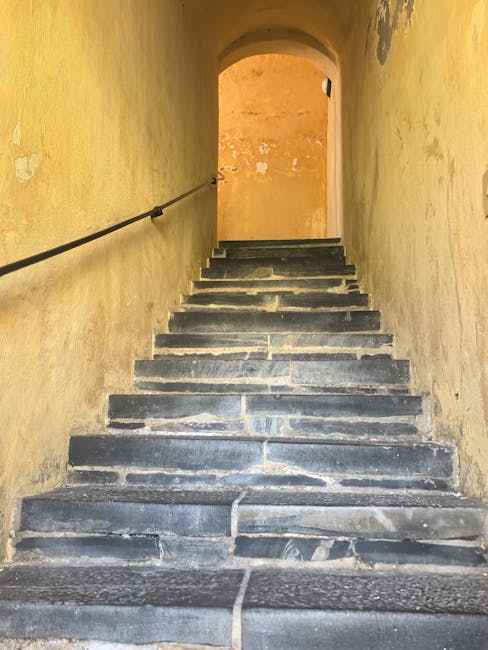
Narrow Staircase Moves on Ratcliff Highway: Fees & Solutions
Anyone who has tried to carry a sofa, wardrobe, mattress, or even a fridge down a tight stairwell knows the feeling: the item turns sideways, the wall is inches away, and suddenly a "simple move" is not so simple anymore. Narrow Staircase Moves on Ratcliff Highway: Fees & Solutions is the kind of moving job where planning matters as much as muscle. In a busy East London setting, with older properties, compact flats, and awkward access, the difference between a smooth move and a stressful one usually comes down to preparation, the right crew, and a clear idea of what the fee includes.
This guide explains what narrow staircase moving actually involves, why the access problem affects pricing, how professional teams handle it, and what solutions can save time, damage, and frankly a lot of headache. You will also find a practical checklist, a comparison table, and a realistic example from a Ratcliff-style move. To be fair, these jobs are never glamorous. But with the right approach, they can be surprisingly manageable.
Why Narrow Staircase Moves on Ratcliff Highway: Fees & Solutions Matters
Narrow staircases change the entire shape of a move. A piece that is easy to carry on a straight landing can become a puzzle on a twisting stairwell with low headroom, sharp turns, or a banister that eats up precious inches. On Ratcliff Highway and the surrounding E1 area, that problem is common enough to deserve its own plan.
The main reason it matters is simple: access affects risk. When movers cannot take a direct path, they may need extra people, extra time, lifting straps, blankets, temporary disassembly, or a different vehicle positioning strategy. That all influences fees. If you do not account for the staircase early, you may end up with delays on the day, a higher final bill, or avoidable damage to the item and the property.
It also matters because not all difficult access is equal. A narrow stair with good landings is very different from a tight spiral staircase in a top-floor flat. One job may need careful two-person handling; another may require a specialist approach or even alternative routing through a window or balcony, where appropriate and safe. The right solution depends on the building, the item, and the crew's experience. Simple on paper. Less simple in real life.
In our experience, people often focus on the item itself and forget the route. That is the trap. A reasonably priced move can become expensive if the route is a nightmare. So yes, the stairs matter. A lot.
How Narrow Staircase Moves on Ratcliff Highway: Fees & Solutions Works
The process usually starts with an access assessment. This can be done from photos, a short call, or a site visit depending on how complex the move is. The mover wants to know the width of the staircase, the turning points, the size of the item, floor level, parking distance, whether there is a lift, and whether the item can be dismantled. That information helps shape both the method and the quote.
From there, the team decides whether the move is a straightforward carry, a careful two-person lift, or a more technical operation. For example, a mattress may be compressed and rotated, a bed frame may be dismantled in advance, and a sofa may need protective wrapping and removal of feet or arms. Some items, like pianos, require specialist handling and should never be treated as a standard "just lift it and go" job. If that is your situation, the advice in this piano-moving guide is worth a look.
Fees are usually influenced by a few practical factors:
- the amount of labour needed
- time spent navigating the staircase
- any dismantling or reassembly
- special handling equipment
- distance from vehicle to doorway
- waiting time caused by access or parking issues
- the likelihood of needing additional protection for walls, floors, or bannisters
That is why two jobs that look similar on the surface can have different quotes. One may be a quick carry. Another may take patience, positioning, and several careful resets on the staircase. A good mover will usually explain where the cost is coming from, rather than tossing out a number and hoping nobody asks questions. Honestly, that is the standard you want.
If the job is part of a larger flat or house move, planning matters even more. A useful starting point is this moving preparation guide, which helps you get ahead of packing, timing, and access details before moving day arrives.
Key Benefits and Practical Advantages
At first glance, paying for a specialist narrow-stair move may feel like an added cost. But the real value shows up in reduced risk, less stress, and fewer surprises.
- Less risk of damage: Tight stairwells are where scuffed paint, cracked corners, and scratched furniture usually happen.
- Better time control: A planned route is much faster than improvising on the landing halfway through the move.
- Lower physical strain: Moving heavy items through narrow spaces is taxing. Even fit people run out of leverage quickly.
- More suitable handling: A professional team can decide when to dismantle, wrap, tilt, or reposition items.
- Fewer building conflicts: Neighbours, shared hallways, and stairwells in older properties often need a cleaner, quieter, shorter move.
There is also a subtle advantage: confidence. Once the access issue is mapped out, the rest of the move becomes easier to manage. That can be a relief if you are juggling work, children, cleaning, or a final handover. If you are preparing a home for move-out, you may also find it helpful to read the spotlessly practical move-out cleaning article and the decluttering guide so you are not carrying unnecessary items up and down those stairs in the first place.
Sometimes the best solution is not brute force; it is fewer items, better packed, and a clearer route. Not exactly thrilling, but it works.
Who This Is For and When It Makes Sense
This type of move is especially relevant for people living or working in compact properties where staircase access is tight. That often includes upper-floor flats, converted houses, student homes, and older terraces where the stairs are narrow, steep, or awkwardly bent.
You may need this service if you are moving:
- large furniture like sofas, wardrobes, beds, or cabinets
- white goods such as freezers or washing machines
- delicate items that cannot be bumped or tilted too far
- flat-pack furniture that is easier to move in sections
- items that require careful handling through a communal stairwell
It also makes sense if you are short on time. A same-day schedule can be possible in some cases, but only if the access issue is clear. If you are working to a tight deadline, the page on same-day removals in Ratcliff may be useful as part of your planning.
Students, renters, and people moving out of a flat before a tenancy deadline are another common group. A narrow staircase and a limited time window is a familiar combo in London. Not ideal, but very common. If that sounds like your situation, student removals in Ratcliff can be a practical fit when the load is lighter and the access is tricky.
If the item is especially valuable or awkward, specialist help becomes even more sensible. For example, a fragile antique cabinet or a piano should not be treated like a standard box move. That is where a more experienced specialist piano removals approach can make all the difference.
Step-by-Step Guidance
Here is the cleanest way to tackle a narrow staircase move without making it more complicated than it needs to be.
- Measure the route. Check stair width, ceiling height, landings, door frames, and any tight turns. Don't guess. Guessing is how people end up carrying a sofa diagonally and whispering "surely it'll fit" to nobody in particular.
- Measure the item. Record the widest, tallest, and deepest points. Include handles, feet, and anything fixed on the sides.
- Decide whether it can be dismantled. Bed frames, tables, wardrobes, and some sofas are easier in parts. If you want a practical breakdown for sleeping furniture, see the mattress and bed-frame guide.
- Clear the stairwell. Remove mats, loose shoes, plant pots, wall hangings, and anything that narrows the path further.
- Protect the property. Use floor runners, blanket wraps, and corner protection where needed.
- Choose the correct lifting method. The team should decide whether to carry, tilt, stand, rotate, or pause and reset the item.
- Move slowly and communicate. One person should call the direction; everyone else should follow that lead.
- Check the final position. Once the item is placed, inspect it immediately for damage or loose fittings.
If you are packing as part of the same move, keep the staircase items separate from the easy boxes. That sounds small, but it stops delay. A box of books on the stairs while someone is trying to pivot a wardrobe? No thank you.
Expert Tips for Better Results
Here are the small details that usually make the difference between a job that feels chaotic and one that feels controlled.
- Photograph the staircase from top and bottom. It helps the mover see angles, railings, and landing space before arriving.
- Remove doors if needed. Sometimes a door swing is the real problem, not the stair itself.
- Wrap corners before moving day. A sharp edge can mark a wall in seconds.
- Keep the route dry. Wet steps are a hazard and slow everything down.
- Use the lightest route possible. If an alternative entrance or better parking position exists, ask about it early.
- Book enough labour. Narrow stairs usually reward patience, not speed.
One practical tip from experience: if the item is borderline too large, it is usually better to check it before the van arrives. Once everyone is on site, the pressure rises and decisions get rushed. That is when mistakes happen. A quick pre-move check can save more money than it costs.
And if the job involves heavier lifting in general, this heavy lifting guide offers a decent reminder of how strenuous handling can become, even before you reach the stairs.
For a few moves, storage is the smart escape hatch. If the item does not need to go through the staircase immediately, short-term storage can keep the pressure off moving day. You can read more in storage options in Ratcliff. Simple solution, but often overlooked.
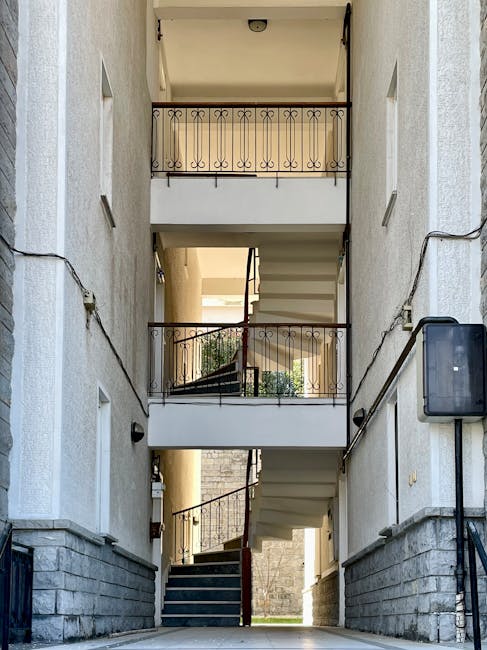
Common Mistakes to Avoid
People do not usually get narrow staircase moves wrong because they are careless. They get them wrong because they underestimate the route. That is a very different thing.
- Measuring only the item, not the staircase. Both matter. The route can be the real blocker.
- Forgetting the turning circle on landings. A stair may be wide enough, but the landing may not allow a rotation.
- Ignoring banisters and light fittings. These small obstacles cause the most annoying damage.
- Booking too few people. A tight stairwell with one tired helper is a bad idea. Really bad.
- Leaving everything packed and unprepared. If items are still assembled when the mover arrives, the job slows down fast.
- Not confirming parking or access at street level. A long carry from the van to the entrance adds time and cost.
- Trying to force a fit. If it doesn't fit safely, forcing it is how damage happens.
One slightly awkward truth: people often spend ages comparing moving prices, then never mention the staircase until the day before. That is backwards. The access problem should be part of the quote conversation from the start.
For larger household moves, this stress-free house move guide can help you structure the rest of the day so the stairs are not the only thing you are worrying about.
Tools, Resources and Recommendations
You do not need a warehouse full of specialist kit, but the right tools make a visible difference. A good mover will usually bring or recommend the following:
- removal blankets and shrink wrap
- shoulder straps or lifting harnesses
- work gloves with grip
- trolleys or dollies where space allows
- door protectors and floor protection
- basic tools for dismantling furniture
For home preparation, sturdy boxes and proper packing materials help reduce the number of odd-shaped items that need stair work. The page on packing and boxes in Ratcliff is useful if you want to make the load cleaner and easier to handle.
For furniture-specific planning, the article on furniture removals in Ratcliff is a sensible next step because it covers the kind of bulky items that often create access issues in the first place. And if you are comparing moving support more broadly, you may also want to review the services overview so you understand what kind of help is available before you commit.
If your move includes a more general van-based service rather than a full removal team, a man and van service in Ratcliff can sometimes suit smaller jobs, especially if the item count is low and the staircase challenge is the main concern. For bigger or more complex moves, though, a fuller removal service is often the cleaner solution.
Law, Compliance, Standards, or Best Practice
For this kind of move, the practical side of compliance is mostly about safety and property care. UK movers should follow sensible manual handling practices, and they should assess risk before lifting heavy or awkward items through tight spaces. That is not just best practice; it is what you would expect from any professional team handling household goods.
In plain English, that means:
- not overloading one person
- using suitable equipment where needed
- protecting communal areas and walls
- reducing trip and slip hazards
- treating fragile and high-value items with extra care
If a property has shared entrances, stairwells, or building rules, it is sensible to notify relevant parties where required and keep the move orderly. Nothing dramatic. Just respectful planning. If you want reassurance on how a mover handles safety and responsibility more generally, the company's health and safety policy and insurance and safety information are useful reads. For broader trust signals, the pages on terms and conditions and payment and security can also help you understand how the service is structured.
If you are moving out of a flat, compliance and care go hand in hand. Tenancy standards, cleanliness, and damage avoidance all matter. A tidy handover is just good practice, and it keeps the whole process calmer.
Options, Methods, or Comparison Table
Different jobs call for different approaches. Here is a simple comparison of the most common options for narrow staircase moves.
| Method | Best For | Pros | Watch Outs |
|---|---|---|---|
| Standard carry | Small-to-medium items with enough clearance | Quick, cost-effective, straightforward | Not suitable for very tight turns or oversized items |
| Two-person controlled lift | Furniture that needs rotation or careful balancing | Safer, more control on stairs | Needs clear communication and good timing |
| Dismantle and reassemble | Beds, wardrobes, tables, modular furniture | Often the best fit for tight access | Requires tools and extra time |
| Alternative route handling | Buildings with other access points or level changes | Can solve an impossible stair problem | Depends on the property layout and safety judgement |
| Short-term storage first | Items not needed immediately | Reduces pressure on moving day | Creates an extra stage and extra cost |
There is no universal winner. A bed frame may be perfect for dismantling, while a solid cabinet is better moved intact if the stair allows it. The smartest approach is the one that reduces risk without adding unnecessary handling. That sounds obvious, but in the rush of moving day people often forget it.
Case Study or Real-World Example
Imagine a one-bedroom flat near Ratcliff Highway with a narrow internal staircase and a second-floor bedroom. The customer needs to move a sofa, a double bed frame, a mattress, a small freezer, and several boxes. On paper, it looks like a half-day job.
Once assessed properly, the mover notices that the stair landing is tight and the sofa arms are the main problem. The bed frame is dismantled in advance, the mattress is wrapped and kept flexible, and the freezer is checked for grip points and tilt limits. The sofa is the trickiest item, so the crew remove protective feet and use blankets to avoid wall contact. Parking is arranged as close as possible, which shortens the carry distance.
Because the access issue was flagged early, the move stays controlled. Nothing gets scraped on the banister, the hallway remains usable, and the team does not need to improvise. The fee is not the cheapest possible, because the job genuinely needs more care than a standard flat move. But it is fair, and the customer knows why. That transparency makes a huge difference.
A small moment, but a real one: the client stands at the bottom of the stairs at one point, watching the sofa tilt by what feels like a ridiculous angle, and says, "I'm glad I didn't try that myself." Quite.
If bulky items are part of the move-out and not going to the new place, the article on bulky item removals may also help you work out what should be moved, sold, stored, or disposed of first.
Practical Checklist
Use this before the movers arrive. It is simple, but it saves trouble.
- Measure the staircase width, landings, and door openings
- Measure the item including handles, feet, and protrusions
- Check whether furniture can be dismantled
- Take photos of the route from both directions
- Clear hallways, steps, and landings
- Protect walls and floors where possible
- Confirm parking and access near the property
- Separate fragile items from heavy items
- Label boxes clearly so the crew can place them efficiently
- Tell the mover about any awkward turns, low ceilings, or shared entrances
- Keep pets and children away from the stairwell during the move
- Check the item and the property before signing off
If you want to make the whole move feel less frantic, a quick read of short-notice removal planning near Ratcliff may be helpful too, especially if your dates are tight and the staircase issue is only one part of the puzzle.
Conclusion
Narrow staircase moves on Ratcliff Highway are not impossible. They are just the kind of move that rewards planning, honest access checks, and the right level of help. The fee usually reflects time, labour, protection, and complexity rather than distance alone, so the smartest way to save money is often to reduce uncertainty before moving day.
In other words, measure carefully, prepare properly, and choose a method that matches the building rather than forcing the building to match the method. That is the real solution. And once the staircase problem is under control, the rest of the move tends to feel far more manageable.
Get a free quote today and see how much you can save.
And if the job feels awkward, that is normal. Tight stairs have a way of making ordinary furniture seem oddly ambitious. Take your time, ask the right questions, and the move can still go smoothly.