Moving out of Three Colt Street (E1): Local Removals Tips
Posted on 07/05/2026
Moving out of Three Colt Street in E1 can feel straightforward on paper and slightly chaotic in real life. Narrow entrances, parking pressure, lift access, busy roads, and the usual last-minute surprises can all turn a simple move into a long day. The good news? With the right local removals plan, you can make the whole thing calmer, safer, and a lot more organised. This guide to moving out of Three Colt Street (E1): local removals tips covers the practical details that matter most, from packing and access planning to timing, safety, and choosing the right help.
If you are leaving a flat, a shared property, or a family home in the area, the difference between a stressful move and a tidy one usually comes down to preparation. A little structure goes a long way. And, to be fair, that is what most people want on moving day: fewer surprises, fewer heavy lifts, fewer "where did we put that box?" moments.
For deeper packing advice, you may also find the complete packing checklist for house moving success useful, especially if you want a practical list rather than guesswork.
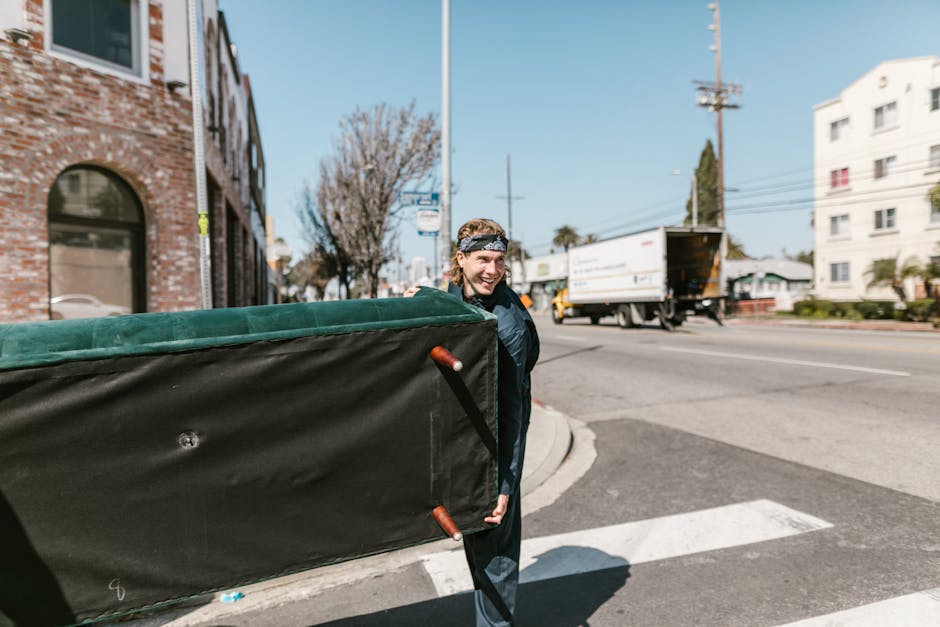
Why Moving out of Three Colt Street (E1): Local Removals Tips Matters
Three Colt Street sits in a part of East London where timing and access can matter as much as the boxes themselves. Streets can be busy, loading space may be limited, and if you are in a flat, stairwells or lifts can become the real bottleneck. That is why local removals tips are not just "nice to have"; they help you avoid delays, extra lifting, and damage to furniture or walls.
A move is rarely difficult because of one huge problem. Usually it is several small ones stacked together: a sofa that barely clears a landing, a van that cannot stop where you hoped, a mattress that arrives without proper protection, and a kettle that somehow ends up packed in the wrong box. Happens all the time.
Local knowledge helps you plan around the realities of the area. It also helps you decide whether you can handle the move yourself, use a man with a van service in Woodlands, or book a fuller removals service that covers loading, transport, and unloading.
There is another reason this matters: moving day is not the day to discover that your storage cupboard is jammed full, your key handover is early, or your large furniture will need disassembly. The more local conditions you think through in advance, the less likely you are to get stuck standing on the pavement at 4:30 pm with a half-packed trolley and a rising sense of panic.
How Moving out of Three Colt Street (E1): Local Removals Tips Works
At its simplest, the process is about matching your move to the location. That means planning the property access, estimating how long loading will actually take, protecting fragile items, and arranging the right vehicle size. If you are moving from a compact E1 property, efficiency matters far more than brute force.
A well-planned local move usually follows this pattern:
- Assess the property layout, parking, and access points.
- Sort and declutter so you only move what you actually need.
- Pack by room and label clearly for easier unloading.
- Protect furniture, floors, and fragile items properly.
- Book the right transport and confirm timing in advance.
- Load in a logical order so the van space is used well.
- Unpack the essentials first at the new place.
If you are moving bulky items, especially sofas, wardrobes, or awkward appliances, it often helps to think in terms of route planning rather than just lifting. Door widths, stair turns, hallway corners, and even the angle of the front door can decide whether an item moves smoothly or turns into a mini wrestling match. Truth be told, a bit of measuring saves a lot of swearing.
For awkward furniture, a service such as furniture removals in Woodlands can be a sensible fit, and if your move involves reduced time windows, same day removals may also be worth considering.
Key Benefits and Practical Advantages
Local removals planning is not only about avoiding problems. It brings some very real benefits that make the whole day feel easier.
- Less wasted time: clear packing and access planning stop delays before they start.
- Reduced damage risk: good wrapping, lifting technique, and furniture protection help prevent scratches, dents, and breakages.
- Lower physical strain: you avoid unnecessary heavy lifting and awkward carrying.
- Better use of van space: efficient loading means fewer trips and fewer surprises.
- More control: when the plan is clear, you feel calmer and make better decisions.
- Cleaner handover: a tidy exit makes the final check-out easier, especially with rented homes.
The biggest practical gain is peace of mind. A move that is structured properly tends to feel shorter, even if it still takes the same number of hours. That is because you spend less time reacting and more time simply following the plan.
If you are also preparing the property for inspection, house cleaning before relocating is worth a read. It can help you avoid the common trap of leaving cleaning until the very end, when energy is already low.
Who This Is For and When It Makes Sense
This guide is useful for anyone leaving Three Colt Street, but it is especially relevant if you are moving from:
- a flat with limited access
- a shared home with strict timing
- a property with stairs but no lift, or a lift that is too small for large furniture
- a home containing bulky furniture or awkward items
- a move with a tight window for parking or key handover
- a same-day or short-notice relocation
It also makes sense if you are moving on your own and need to be selective about what you can safely handle. In that situation, resources like solo heavy lifting guidance and kinetic lifting tips can help you avoid poor technique and unnecessary strain.
Students, first-time renters, landlords helping tenants out, and busy families all benefit from the same core idea: reduce friction before moving day arrives. If you are leaving a compact place, the move is often more about coordination than volume.
Step-by-Step Guidance
1. Start with a realistic room-by-room audit
Walk through the property and note what is actually moving. Separate items into keep, donate, recycle, sell, and bin. The aim is not perfection. It is momentum. A small but honest declutter can cut packing time faster than you might expect.
A useful complement here is pre-move decluttering advice, especially if you keep finding things in cupboards and drawers that you forgot you owned.
2. Measure the awkward pieces first
Before the day, measure larger furniture and check doorways, stair bends, and lift sizes. If a wardrobe or sofa only just fits, you need a plan for turning it, lifting it, or partially disassembling it. This is one of those boring jobs that pays off quickly.
3. Pack by category and room
Keep kitchen items together, bedroom items together, and fragile items in clearly marked boxes. Use labels that say more than "misc." If you know where the bedding, chargers, and toiletries are, your first night in the new place will be much easier.
4. Protect furniture and delicate items
Use blankets, covers, bubble wrap, and stretch wrap where appropriate. Sofas should be kept clean and dry, and mattresses need protective covers to avoid dust and scuffs. For more detailed care, see sofa storage protection tips and guidance on moving beds and mattresses.
5. Confirm the vehicle and loading plan
Match the van size to your load. Too small and you waste time. Too large and you may overpay for unused space. For smaller local moves, a removal van can be a practical option. If you want a more hands-on service with flexible help, man and van support may suit you better.
6. Load in the right order
Start with the heaviest stable items, then build around them with boxes and softer items filling gaps. Keep essentials separate so they are easy to reach. It sounds simple, but bad loading can turn a short trip into a frustrating game of box Tetris.
7. Clean and check the old property
Do one final walk-through before handing back the keys. Check cupboards, sockets, windows, loft spaces, and behind doors. If possible, complete a basic clean so you leave the property in better condition than you found it.
8. Settle essentials first
At the new address, focus on beds, toiletries, chargers, kettle, tea bags, and a small tool kit. You do not need to unpack everything on day one. Just make the place functional, then work outward from there.
Expert Tips for Better Results
Here is where the move usually becomes easier than expected. Small choices make a big difference.
- Use colour-coded labels: one colour per room saves time at unload.
- Keep one "open first" box: include tape, scissors, medication, charger cables, snacks, and basic cleaning wipes.
- Take photos of cable setups: especially for TVs, routers, and desks.
- Wrap drawers with their contents only if stable: useful for lightweight items, not heavy ones.
- Disassemble only what needs it: over-disassembly can create more work than it saves.
- Protect floors and shared areas: felt, blankets, or cardboard can help in tight communal spaces.
If you are moving unusual or high-value items, get specialist advice. Pianos, for example, are not just "big heavy boxes with keys." They are sensitive instruments with weight distribution issues and delicate internal parts. The article on why pianos require expert handling explains this well and is worth reading before anyone tries to do it casually.
And if you need extra help with the physical side of lifting, do not push through pain. That sounds obvious, yet people do it every week. One awkward lift is all it takes to ruin the rest of the day.

Common Mistakes to Avoid
Most moving problems are predictable. That is actually good news, because predictable problems are avoidable.
- Leaving packing too late: last-minute packing leads to messy boxes and missed items.
- Ignoring access issues: parking and entry points matter more than people expect.
- Underestimating heavy items: one person and a staircase are not always a workable combination.
- Using weak boxes: the bottom can fail when you least expect it.
- Packing fragile items without cushioning: newspapers are fine sometimes, but not for everything.
- Forgetting to label essentials: this causes the classic first-night rummage.
- Assuming the van will "just fit it all": it might not, and that can cause delays.
A smaller but very common issue is forgetting everyday appliances. Freezers, for instance, need proper preparation if they are going into storage or being left unused. For guidance, see how to store an unused freezer properly. It is not glamorous reading, but it stops avoidable damage.
Tools, Resources and Recommendations
You do not need a mountain of kit, just the right basics.
| Item | Why it helps | Best use |
|---|---|---|
| Sturdy boxes | Protect contents and stack better | General packing and books |
| Packing tape | Keeps boxes secure | Sealing and reinforcing |
| Bubble wrap / paper | Cushions fragile items | Glasses, decor, electronics |
| Furniture blankets | Reduces scuffs and knocks | Sofas, tables, wardrobes |
| Stretch wrap | Holds drawers, doors, and soft surfaces in place | Furniture protection |
| Marker pens and labels | Makes unloading faster | Room and priority marking |
It also helps to use services and pages that answer the next practical question, not just the moving one. If you are comparing support levels, start with the services overview and then check pricing and quotes so you know what to expect before booking. If security matters to you, the payment and security page is worth reviewing too.
For people who want a fuller service, the main house removals and flat removals pages are the obvious next stops. If storage is part of the picture, storage options can help bridge the gap between moving out and settling in.
Law, Compliance, Standards, or Best Practice
For a local move in London, the biggest compliance concerns are usually practical rather than legal drama. Still, a careful approach matters. If you are moving from a rented property, check your tenancy agreement for cleaning, key return, and notice requirements. If you live in a managed block, there may also be building rules about lift booking, loading times, or protecting communal areas.
From a safety standpoint, good removals practice in the UK normally includes:
- using suitable lifting techniques for heavy items
- protecting walkways and shared surfaces where needed
- keeping exits clear during loading
- using equipment that is fit for purpose
- checking insurance coverage before transport begins
You should also make sure any removal company or van service you use is clear about its insurance and safety arrangements. It is sensible, not fussy. The same goes for understanding policies, cancellation terms, and complaint routes. Those details are not exciting, but they matter if something changes on the day. The relevant support pages, including insurance and safety, terms and conditions, and complaints procedure, help set expectations clearly.
For environmentally conscious moves, consider whether anything can be reused, donated, or recycled before the van is packed. The recycling and sustainability page is a good reminder that not everything old needs to end up in the skip.
Options, Methods, or Comparison Table
Different moves need different levels of support. The best option depends on how much you own, how awkward the access is, and how much time you have.
| Option | Best for | Pros | Trade-offs |
|---|---|---|---|
| DIY move | Small, simple moves with light furniture | Lowest upfront cost, full control | More lifting, more time, higher personal effort |
| Man and van | Local flat moves and medium loads | Flexible, practical, often quicker | May need more self-packing and organisation |
| Full removals service | Families, larger homes, fragile items | Less stress, more support, better for complex moves | Usually costs more than basic transport |
| Same-day removals | Short-notice or urgent situations | Fast response, useful in time-sensitive cases | Availability can be limited |
For many people moving out of Three Colt Street, the sweet spot is somewhere between DIY and full-service removals. If you are doing most of the packing yourself but want help with lifting and transport, man and van support can be a practical middle ground.
Case Study or Real-World Example
Picture a typical East London move: a top-floor flat, a narrow stairwell, a sofa that has survived three housemates and one over-enthusiastic rearrangement, and a move-out deadline before lunch. The person moving has packed most of the kitchen, but the boxes are mixed, the labels are vague, and the bedside lamp is somehow in with the coat hangers.
What makes the difference in a case like this is not luck. It is sequence.
First, the mover checks access and realises the van cannot sit where originally planned. That small adjustment means the loading point is moved ten metres down the road, but because this is accounted for early, nothing stalls. Next, the sofa is wrapped, the legs are removed, and a second person helps guide it through the tight turn on the landing. The bed frame is dismantled before moving day, which saves ten minutes of awkward balancing. The essentials box stays separate, so the kettle and bedding are immediately available on arrival.
Nothing dramatic. Just good decisions made in the right order.
That is usually how a smooth local move looks in real life. Not glamorous, not magical. Just tidy planning, a bit of patience, and the right help at the right moment.
Practical Checklist
Use this checklist a few days before the move, then again on the morning itself.
- Confirm moving date, time, and key handover arrangements
- Check parking and access near Three Colt Street
- Measure large items and doorways
- Pack one essentials box for the first 24 hours
- Label every box by room and priority
- Protect fragile items with proper wrapping
- Disassemble furniture only where needed
- Keep tools, chargers, and documents together
- Book help for heavy items if needed
- Take photos of the property before leaving
- Do a final sweep of cupboards, lofts, and storage spaces
- Keep drinks and a few snacks handy. honestly, it helps.
If you want a stronger packing routine, pairing this list with the stress-free house moving tactics guide can make the process feel much more manageable.
Expert summary: the best local move is the one you control before it controls you. Clear access planning, sensible packing, and the right transport choice will save time, money, and a fair bit of frustration.
Conclusion
Moving out of Three Colt Street in E1 does not need to be overwhelming. If you think locally, plan access properly, pack with care, and choose the right support for your load, the whole process becomes much easier to handle. Small flats, shared buildings, and busy London streets all reward preparation. In other words, the boring bits are the useful bits.
Whether you need a simple van, help with furniture, or a more complete removals service, the smartest next step is to match the service to the job rather than forcing the job to fit your schedule. That is where local experience really pays off.
Get a free quote today and see how much you can save.
And if you are still in planning mode, take a breath. One well-ordered move can make the next chapter feel a lot lighter.